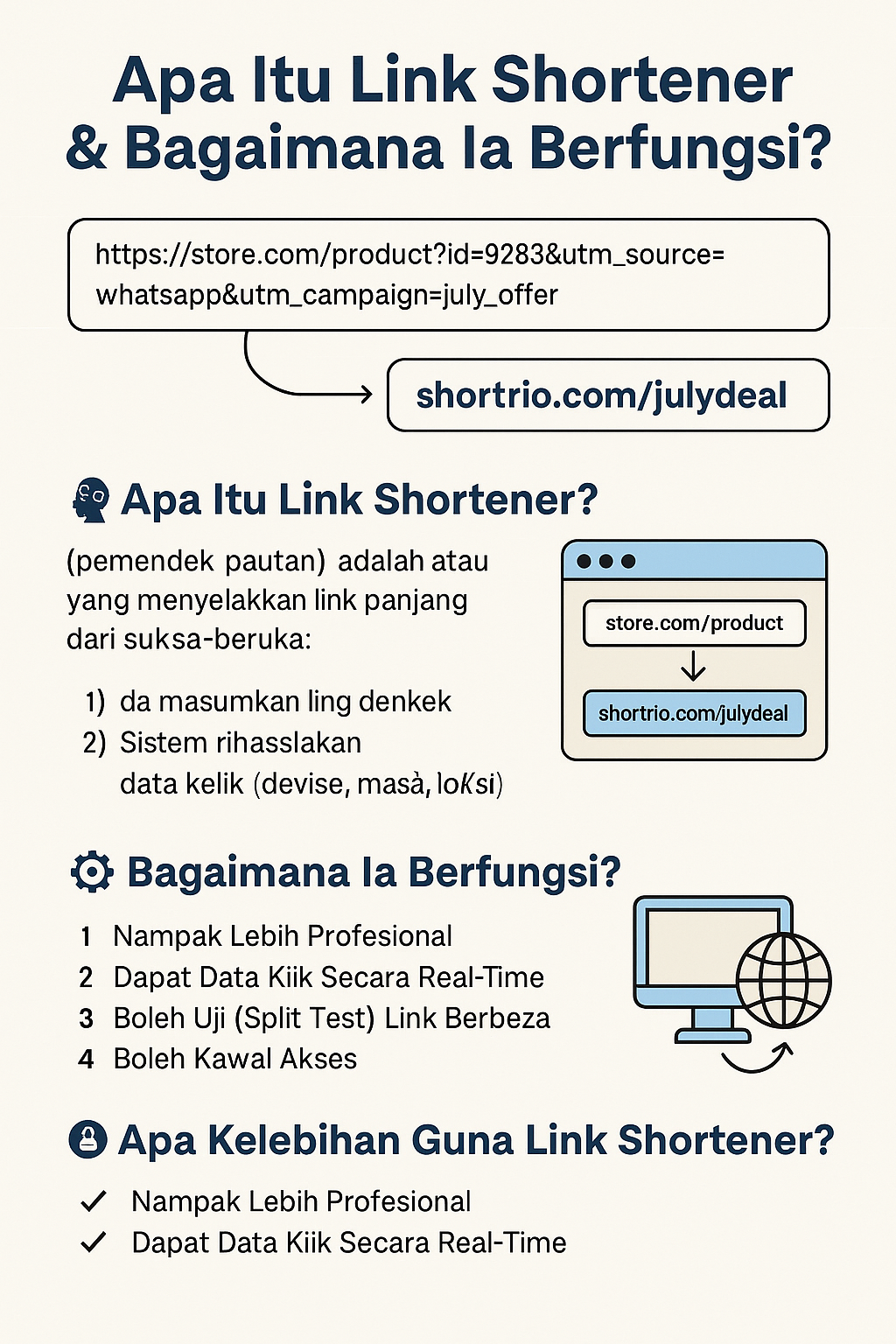
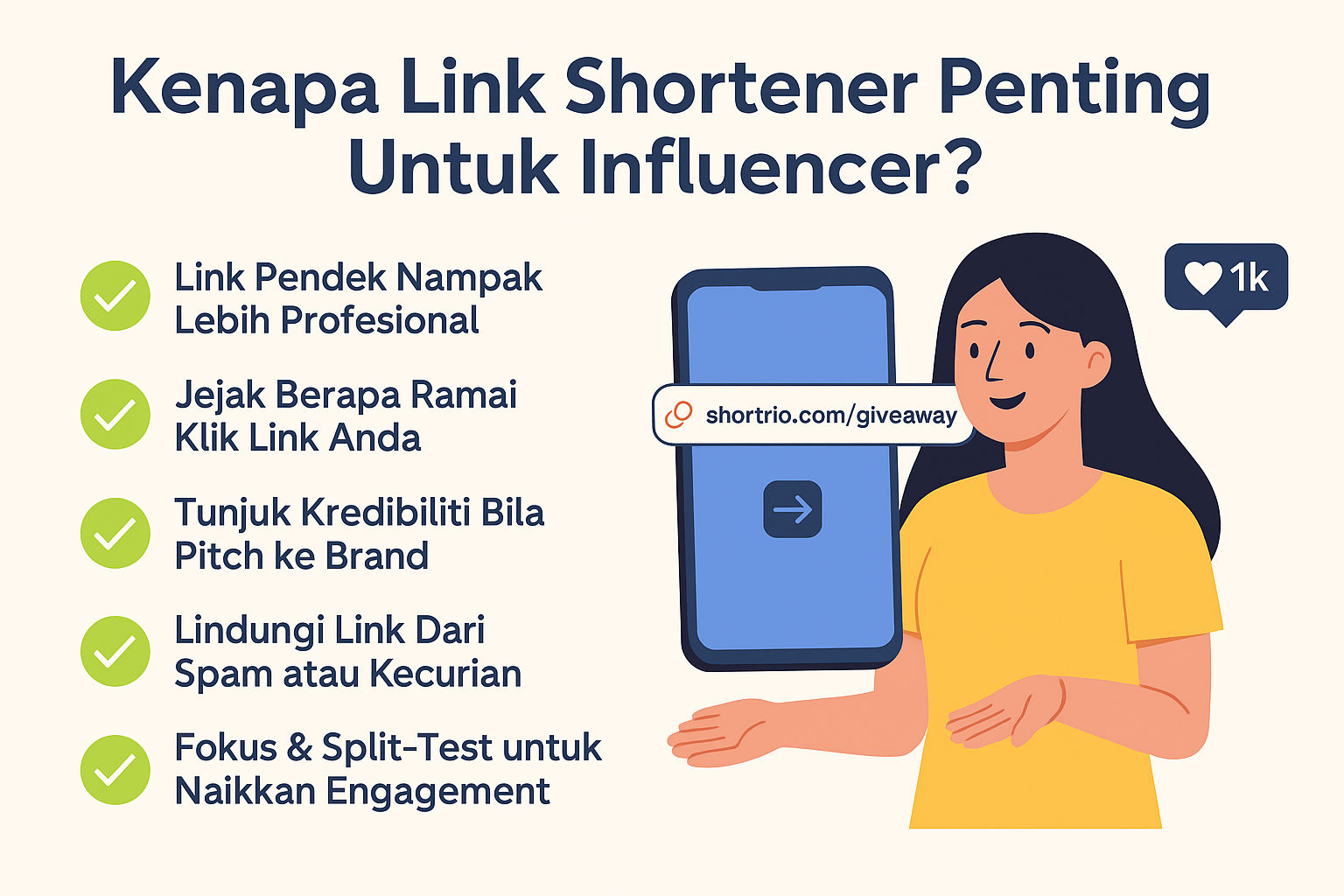
One of the most common questions in digital marketing is whether URL shorteners affect SEO. The answer is nuanced, and understanding the mechanics behind shortened links is crucial for maintaining your search engine rankings. This guide explores the relationship between URL shorteners and SEO, helping you make informed decisions about when and how to use them.
How URL Shorteners Work from an SEO Perspective
When you shorten a URL, you're creating a redirect from a shorter domain to your original, longer URL. Most URL shortening services use 301 (permanent) or 302 (temporary) redirects. The type of redirect matters significantly for SEO:
301 Redirects (Permanent)
A 301 redirect tells search engines that the content has permanently moved from the short URL to the destination URL. Search engines pass most "link juice" (ranking authority) through a 301 redirect, meaning your SEO value is preserved. This is the most SEO-friendly type of redirect.
302 Redirects (Temporary)
A 302 redirect indicates temporary relocation. Search engines treat this differently and may not pass as much link authority to the destination URL. Additionally, search engines may index the short URL itself rather than the destination, which can hurt your SEO efforts.
Do URL Shorteners Hurt SEO?
The short answer is: not necessarily, if implemented correctly. Here's why:
Preserving Link Authority
When a reputable URL shortening service uses 301 redirects, the link authority and SEO value from the shortened URL are transferred to your original content. This means a backlink to your shortened URL can still benefit your SEO efforts.
Tracking and Analytics
Many marketers worry that using shortened URLs in their content might somehow penalize them. In reality, search engines understand and expect redirects. The key is using 301 redirects consistently and from trusted services.
Brand Building
Custom branded short URLs (like go.yoursite.com) actually improve brand visibility and recognition. They can increase click-through rates because users recognize the brand, leading to better engagement metrics that search engines value.
When to Use URL Shorteners
Ideal Use Cases
- Social Media Sharing: Shortened URLs look cleaner and take up less character space on platforms like Twitter.
- Email Campaigns: Make long URLs more presentable and trackable in emails.
- QR Codes: Shortened URLs work better with QR code generation for print materials and offline marketing.
- SMS Marketing: Keep text messages concise with short URLs.
- Print Materials: Use short, memorable URLs in brochures and advertisements.
- Link Tracking: Monitor specific campaign performance with analytics.
Situations to Avoid
- Don't use shortened URLs in your website's internal links or navigation menu
- Avoid shortened URLs in your sitemap.xml file
- Don't use 3rd-party shortened URLs for your main website content
- Avoid shortened URLs in your robots.txt or canonical tags
Best Practices for Using URL Shorteners
1. Choose 301 Redirect Services
Always verify that your URL shortening service uses 301 redirects. This ensures search engines recognize the redirect as permanent and pass through link authority appropriately.
2. Use Custom Branded Domains
Instead of using generic shorteners (like bit.ly or tinyurl), create branded short URLs using your own domain. This strengthens your brand recognition and keeps users on your domain throughout the redirect process.
3. Monitor Your Shortened Links
Use URL shortening services that provide detailed analytics. Track which links perform best, from which sources they're clicked, and what user behaviors follow. This data helps optimize your campaigns.
4. Keep Your Main Content Original
Use shortened URLs primarily for distribution and tracking, not for your website's main content pages. Your primary content should have its original, descriptive URL intact.
5. Maintain Link Consistency
If you're using the same shortened URL multiple times, ensure the destination remains consistent. Changing destinations can confuse both users and search engines.
URL Shorteners and Link Building
From a link building perspective, shortened URLs can be beneficial:
Brand Mentions: Shortened URLs are more likely to be shared verbally or written down because of their simplicity. This increases organic brand mentions and word-of-mouth marketing.
Trackable Backlinks: When other websites link to your shortened URLs, you can track these links in your URL shortener analytics, giving you additional insights beyond what Google Search Console provides.
Social Sharing: Shortened URLs encourage more social sharing because they look cleaner and take up less space, potentially leading to more natural backlinks.
Common SEO Concerns Debunked
Myth: Shortened URLs Cause Duplicate Content Issues
Reality: Properly implemented 301 redirects consolidate the ranking authority to your original URL, preventing duplicate content penalties.
Myth: Search Engines Don't Follow Shortened URLs
Reality: Search engines follow 301 and 302 redirects without issue. Google explicitly states it follows redirects for crawling and indexing.
Myth: Using Third-Party Shorteners Harms Your Domain Authority
Reality: While the short domain gets the initial link, a proper 301 redirect passes authority to your destination URL.
The Future of URL Shortening and SEO
As search engines continue to evolve, URL shorteners are becoming increasingly sophisticated. Modern services offer:
- Advanced analytics with conversion tracking
- Custom domain integration with your main website
- Automatic redirect management
- Integration with marketing automation tools
- Enhanced security features
Conclusion
URL shorteners, when used correctly, do not harm your SEO. In fact, they can be valuable tools for marketing, tracking, and branding. The key is understanding how redirects work, choosing services that use 301 redirects, and using shortened URLs strategically for distribution rather than as your primary content URLs.
By following best practices and leveraging URL shorteners effectively, you can enhance your digital marketing efforts while maintaining and even improving your search engine rankings.
Optimize your link strategy today with our SEO-friendly URL shortening service that provides custom domains, 301 redirects, and comprehensive analytics to support your digital marketing goals.